The Art of Aspect Ratios: Composition, Framing & Geometry in AI Art
Aspect ratio is not a post-production crop—it is the container of visual tension. Explore how to harness 1:1, 4:5, 3:4, 16:9, and 21:9 for intentional composition, editorial layout, and cinematic depth.
 NEON Dance Editorial
In many digital workflows, aspect ratio is treated as an afterthought—a technical crop chosen during final export. But in visual design and cinematography, the frame is the foundational container of tension and emotion.
A square frame forces contemplation around an absolute center. A widescreen panorama encourages cinematic eye-travel and environmental immersion. A vertical frame imparts monumentality, posture, and architectural scale. Choosing your aspect ratio before prompting ensures that light falloff, perspectival convergence, and negative space arrange themselves in harmony, rather than being salvaged by awkward post-process cropping.
1. The Superiority of Native In-Engine Composition
While cropping is common in traditional photography, generating natively within your target ratio yields superior results in diffusion models:
- Latent Attention Distribution: From the very first denoising step, attention heads compute geometric weight based on canvas boundaries. On a 16:9 canvas, the model natively stretches horizontal atmospheric layers; on a 4:5 canvas, it emphasizes vertical silhouettes.
- Preservation of Peripherals: Cropping a 1:1 square into a vertical banner invariably severs garment hemlines, hand gestures, or grounded cast shadows. In-engine generation accommodates the whole subject with natural breathing room.
- Perspective & Lens Distortion: Wide-angle distortion looks believable only when computed across the true physical frame. Native ratios ensure horizon lines and vanishing points remain physically coherent.
2. Four Frame Families & Their Visual Psychology
The supporting image generator in NEON Dance supports ten aspect ratios, categorized into four compositional families:
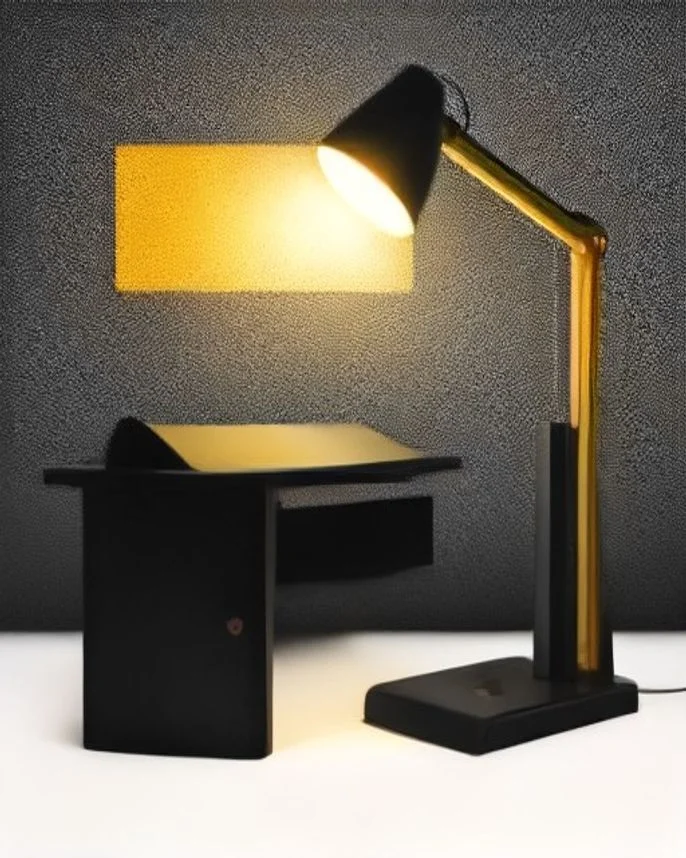
1. Square & Balanced Framing (1:1 & 5:4)
- Visual Feeling: Centered equilibrium, stillness, geometric purity, and meditative balance.
- Ideal Uses: Solitary still-life artifacts, Japanese wabi-sabi ceramics, centered jewelry macro, and symmetrical portraits.
- Prompting Rule: The square loves centered subjects. Focus on material nuance and surface lighting rather than excessive lateral action.

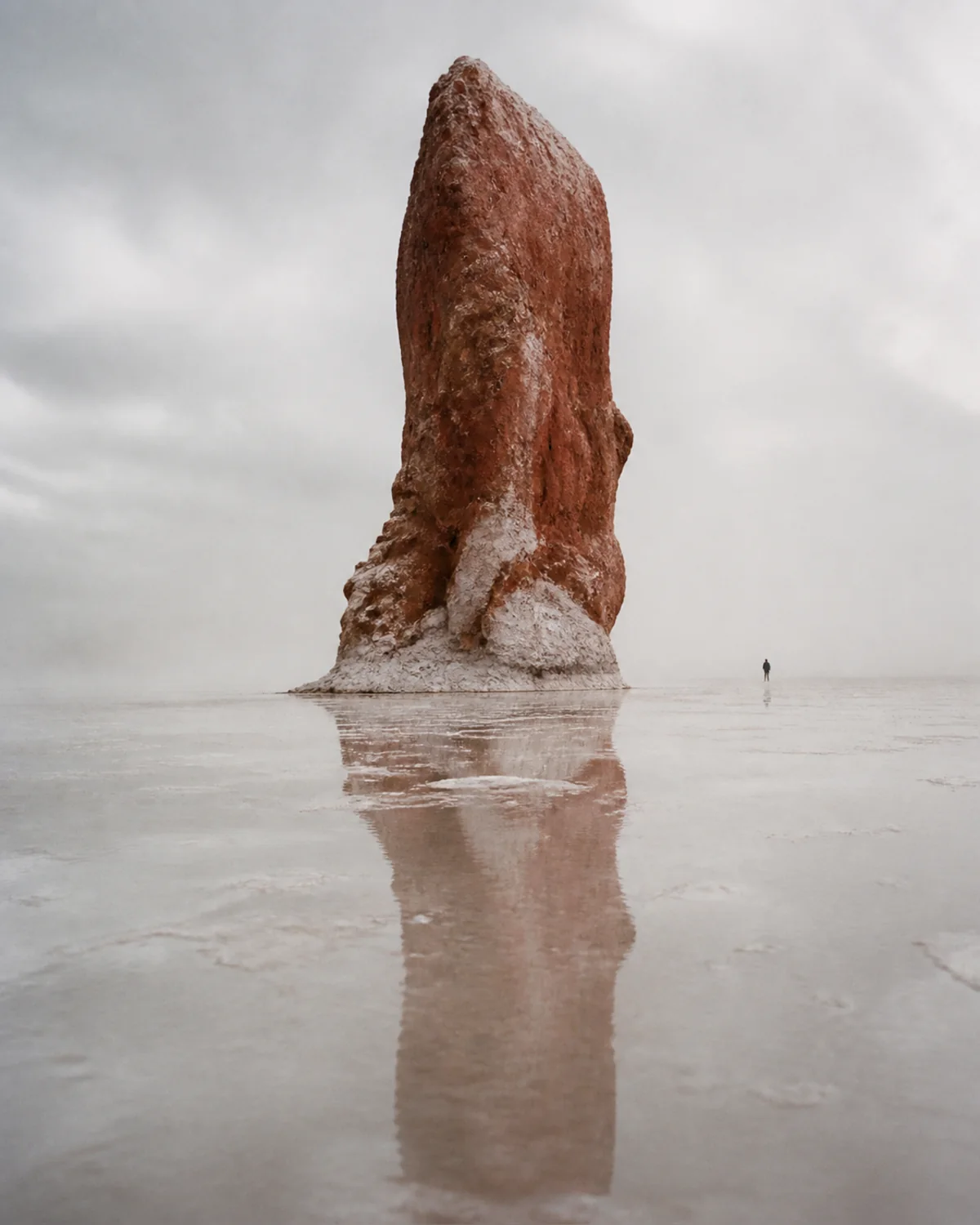
2. The Editorial Verticals (4:5, 3:4, 2:3)
- Visual Feeling: Presence, stature, vertical progression, and typographic hierarchy.
- Ideal Uses:
- 4:5: The undisputed champion of social media feeds (Instagram, mobile cards); occupies maximum screen height without preview clipping.
- 3:4 / 2:3: High-fashion print editorials, museum exhibition posters, and brand lookbooks requiring overhead copy zones.
- Prompting Rule: Always instruct the generator on vertical boundaries: "full-length view showing the hemline touching the floor shadow", "upper third maintained in deep matte shadow for headline typography".
3. Cinematic Widescreen (16:9 & 21:9)
- Visual Feeling: Horizon, expedition, temporal continuity, and sweeping atmospheric depth.
- Ideal Uses: Game concept art, film stills, website hero banners, and presentation keynotes.
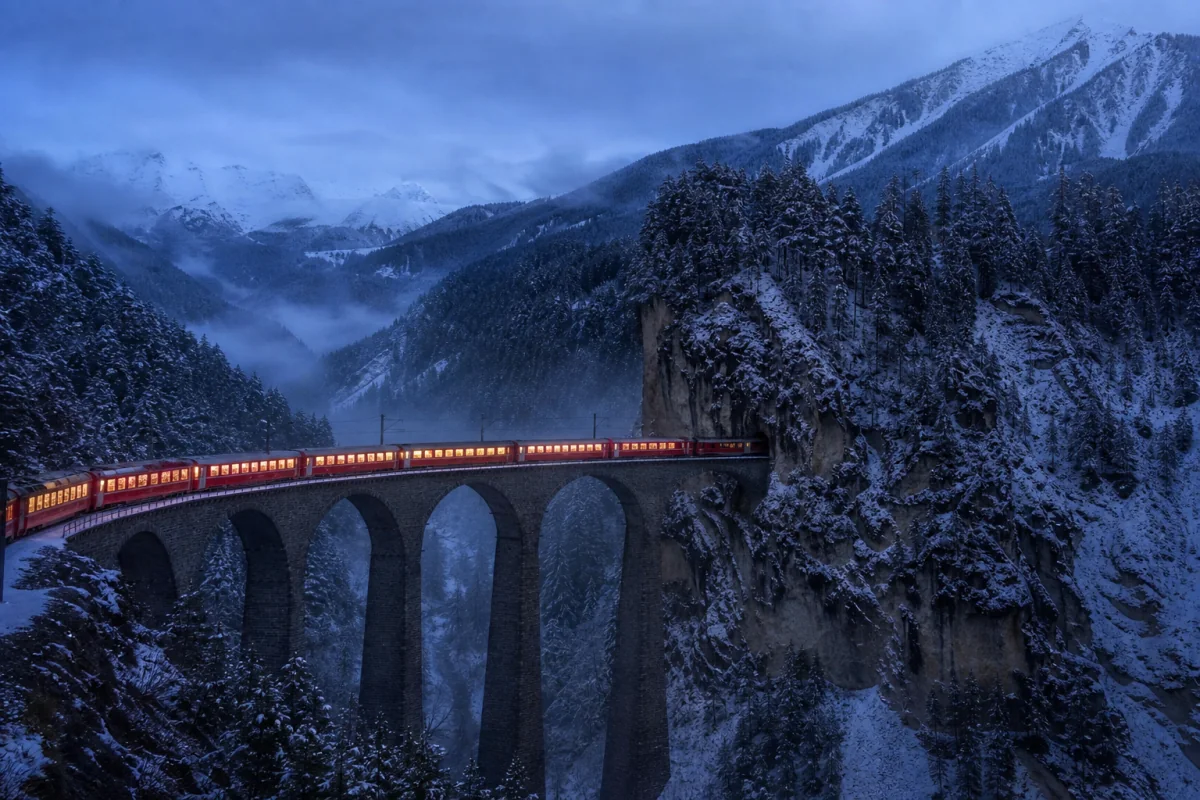
- Prompting Rule: Never place a lone subject dead-center. Create a directional vector: place the primary subject on the left third and explicitly describe what guides the viewer's eye to the right (a receding railway, sweeping mountain ridges, or atmospheric mist).
4. Full-Immersion Mobile (9:16)
- Visual Feeling: Upward aspiration, precipitous drops, towering spires, and mobile-native storytelling.
- Ideal Uses: Vertical video stills, mobile lockscreens, and narrow architectural shafts.
- Prompting Rule: Enforce a three-tier vertical schema (Atmospheric Sky / Mid-ground Subject / Grounded Foreground Anchor) to prevent dead space in the middle.
3. Production-Ready Framing Recipes
Click any recipe below to launch the prompt and ratio directly in the generator:
1:1 Minimalist Zen Tea Ceremony Still Life
4:5 Brutalist Red Monument
16:9 Alpine Night Locomotive
4. Pre-Flight Composition Checklist
Before generating, answer these three tactical questions:
- Where will this image live? Choose 4:5 for mobile feeds, 16:9 for desktop hero banners, and 3:4 or 2:3 for printable editorial collateral.
- Where does the gaze travel? Does the subject soar vertically, or does the narrative journey horizontally? Align the canvas to that vector.
- Where does the typography belong? Tell the model explicitly: "clean negative space in upper third for editorial masthead".
When you direct the frame, the frame directs the audience.